A Brief Theology of Tyranny
When the Nazis rose to power in the early 1930s, most German Christians chose one of two options. First, the majority decided to collaborate with the new regime in one form or another, appeasing, cooperating, or both – and for its part, the regime was eager to exploit the tools of Christianity to help advance its vision of virulent nationalism, supremacy, and aggression. And second, a minority decided to stand fast against collaboration, and so to resist or undermine the regime in various ways, including public statements of defiance and theological critique.
The most famous of these statements is the Barmen Declaration, signed by delegates from German Reformed, Lutheran, and United churches who gathered in Barmen, Germany, in 1934, a little more than a year after Hitler was named chancellor. Because the Declaration was an act of open dissent directed against Christian cooperation with the rising Nazi movement, signing it was an act of significant risk, and therefore of significant courage. The Barmen Declaration became a key foundation for what became known as the Confessing Church, a Christian federation opposed to the regime’s efforts to cloak itself in Christianity.
The statement’s theological strategy is intriguing. The Nazi party isn’t mentioned, nor are any particular policies, programs, or political arrangements. Instead, the Declaration focuses on the underlying question of allegiance – and thereby, implicitly, on the essence of what tyranny is in the first place.
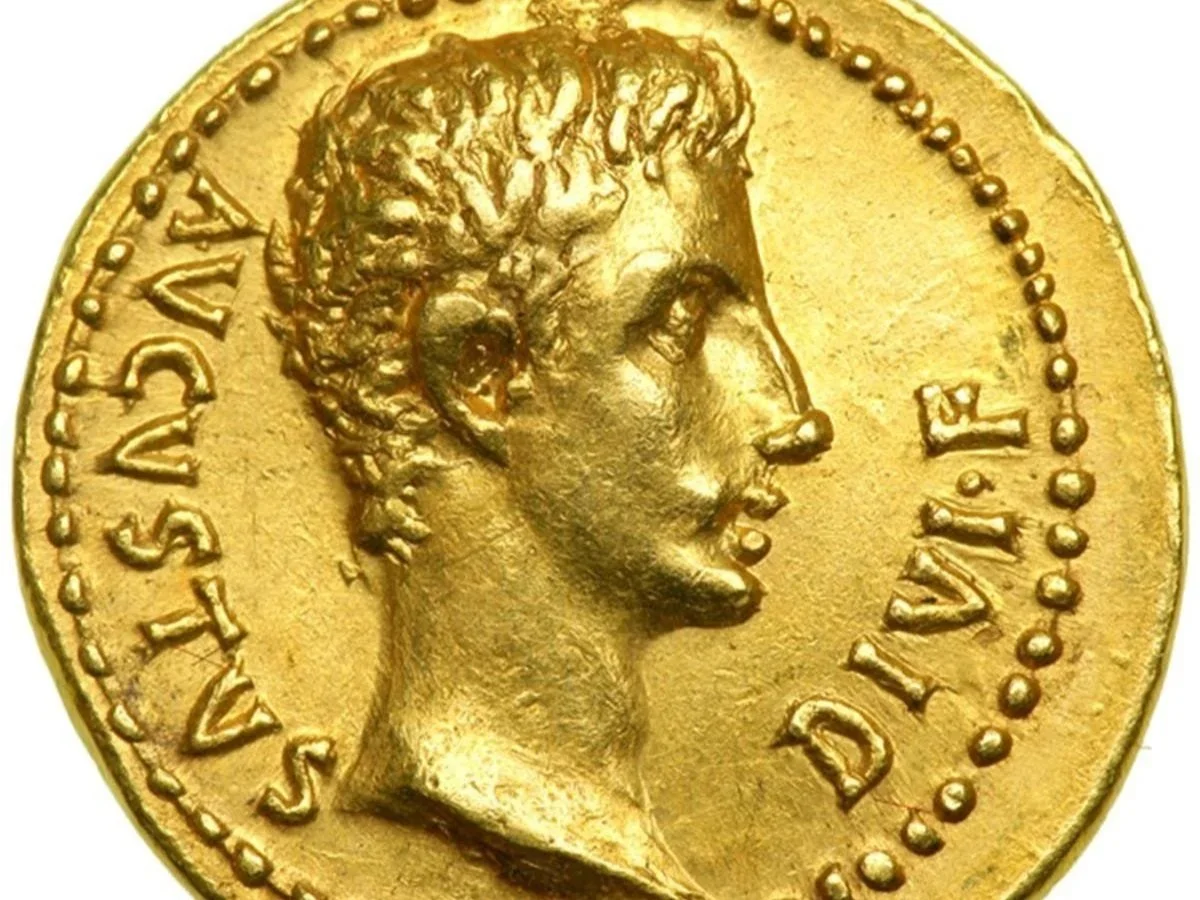
In Jesus’ day, coins were in circulation calling Caesar Augustus “Son of God” — and so for Jews under Roman occupation, calling Jesus “Son of God” was a provocative act, effectively countering the cry, “Caesar is Lord!” with the cry, “Christ is Lord!” The Barmen authors picked up on this ancient contrast and confrontation, insisting that Christians owe a higher allegiance to Jesus than to any particular leader (the German word for “leader” in the Declaration is “Führer”). If Jesus instructs in one direction, and the Führer in the other – for the Church, the order of priority is clear.
From this angle, a “tyrant” is someone who seeks to reverse that order of priority, to put himself, or the state, or a party, or an ideology above Jesus. The word "tyranny" comes from the Greek tyrannos, "lord, master, sovereign, absolute ruler unlimited by law or constitution" – and precisely because the tyrant considers himself unlimited by law, civic or divine, he goes ahead and contradicts Jesus’ instruction whenever it suits him, even if he does so (as tyrants often do) in the name of Christianity.
For example, Jesus says, “love your enemies.” The tyrant foments hate. Jesus says, “When you welcome a foreigner, you welcome me.” The tyrant stokes xenophobic resentment. Jesus says, “Forgive.” The tyrant seeks revenge. Jesus says, “Feed the hungry, heal the sick.” The tyrant cuts humanitarian aid and medical research. Jesus says, “Give to the poor.” The tyrant enriches himself and his allies. Jesus says, “Blessed are the peacemakers.” The tyrant turns military might against civilians at home and abroad, creates special or secret (masked) police forces, and inflicts fear to compel submission.
Indeed, we need not look to Germany or ancient Palestine for historical parallels; the parallels are everywhere. This year is the 250th anniversary of another Declaration, the Declaration of Independence, one of the founding documents of the United States, the parchment where Thomas Jefferson lays out, point by point, the key marks of “Tyranny over these States” that compelled the founders to break away from the Crown.
What were those marks? Severely restricting immigration was one; the founders wanted immigrants to “populate these States.” Another mark: sending “swarms of Officers to harass our people.” Another: dispatching “large bodies of armed troops” into states without the consent of state legislatures. And another: protecting such officers and troops from accountability for “any Murders which they should commit on Inhabitants of these States.” Jefferson concludes: “A Prince whose character is thus marked by every act which may define the Tyrant, is unfit to be the ruler of a free people.”
Why? Because free people have rights, of course, including the rights named in the Declaration’s famous phrase, “Life, Liberty, and the pursuit of Happiness” – and the tyrant’s actions violate these rights, putting his own law, his own rules, his own rights above the rights of all.
Here, too, the core issue is theological. For Jefferson, the “unalienable Rights” possessed by all people are “endowed by their Creator.” We aren’t equal by accident; we’re “created equal,” as Jefferson put it, and this God-given equality is precisely what makes the King’s “usurpations” illegitimate and unjust. From this point of view, in the last analysis, a tyrant is a leader who seeks to set himself above divine law, and to trample on divine gifts. In a word, he seeks to supersede God. That’s what makes him a tyrant.
Accordingly, the Barmen Declaration moves directly to the question of allegiance, clarifying the right order of priority in Christian lives. For Christians, Jesus comes first – and so Barmen effectively sends us back to the Gospels, to listen again to Jesus’ instruction, and decide together whether or not a given regime’s actions are the actions of a servant or the actions of a tyrant.
At the same time, Christians are to respect and obey civil authorities, of course – but not at all costs. Not when those authorities violate Jesus’ essential teaching. Not when they desecrate God-given rights, foment hate, demonize the foreigner, or abandon the vulnerable; not when they jeopardize the health of people, communities, and the wider world; not when they debase the rule of law, commit murders or protect murderers, brazenly lie, crassly corrupt, or otherwise embody tyranny itself, declaring in word or in deed, “Caesar is Lord!”
In such circumstances, if we are to be the Church, we cannot comply, appease, or collaborate. We can only stand and say, with our ancestors in Barmen, “No! Caesar is not Lord. Christ is Lord. Love is Lord. The One who calls us to love and serve our neighbors as ourselves – our allegiance to that One, to that Love, is our highest allegiance. Whenever and wherever we are subject to a Tyrant, to a Führer, to a would-be King – we hereby declare independence. We sign our names. We stand together, a Beloved Community of equals, a free people, the courageous, compassionate human beings God created us to be. Thanks be to God!”