
“The Summer Day,” by Mary Oliver
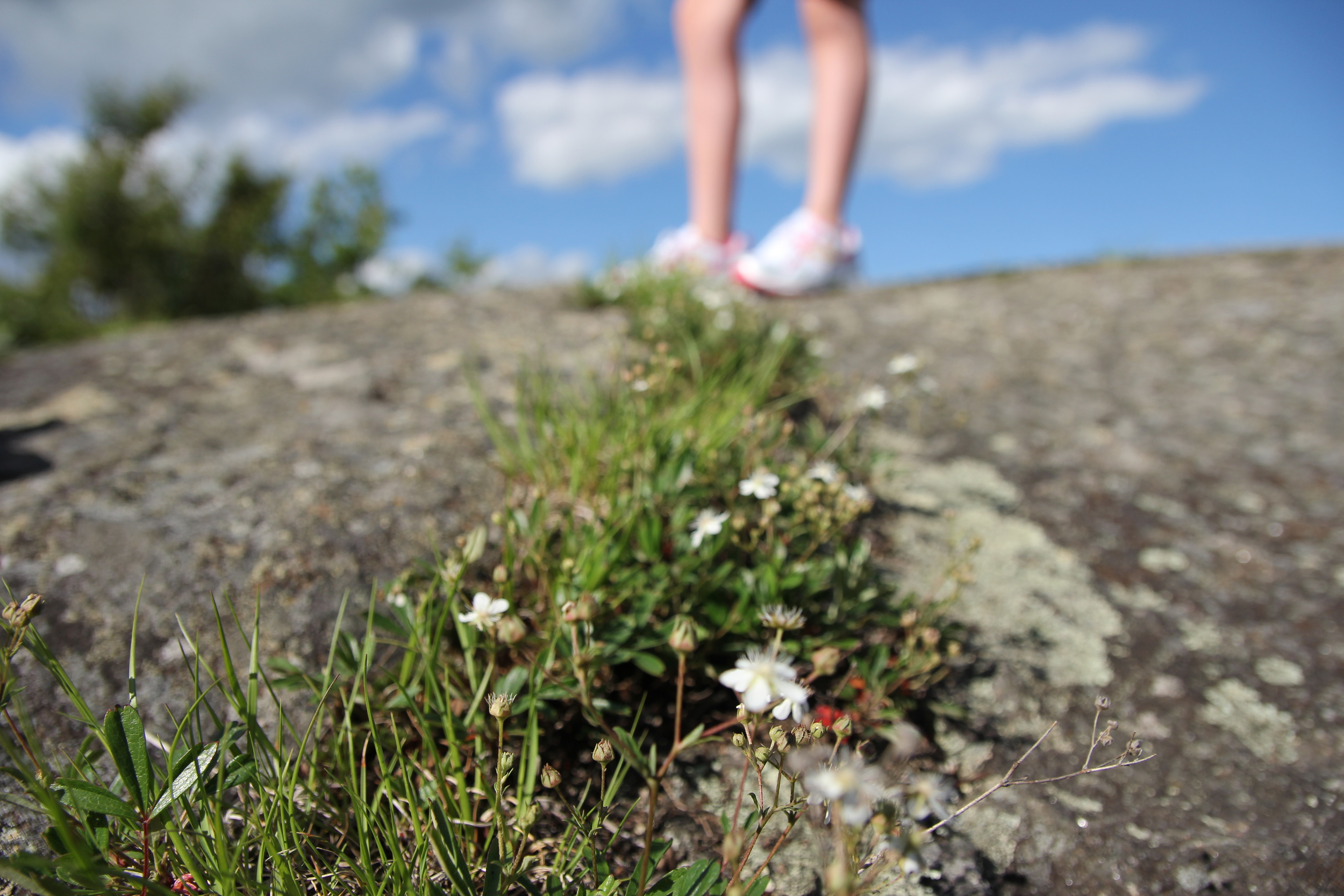
Who made the world?
Who made the swan, and the black bear?
Who made the grasshopper?
This grasshopper, I mean —
the one who has flung herself out of the grass,
the one who is eating sugar out of my hand,
who is moving her jaws back and forth instead of up and down —
who is gazing around with her enormous and complicated eyes.
Now she lifts her pale forearms and thoroughly washes her face.
Now she snaps her wings open, and floats away.
I don't know exactly what a prayer is.
I do know how to pay attention, how to fall down
into the grass, how to kneel down in the grass,
how to be idle and blessed, how to stroll through the fields,
which is what I have been doing all day.
Tell me, what else should I have done?
Doesn't everything die at last, and too soon?
Tell me, what is it you plan to do
with your one wild and precious life?
+ Mary Oliver
The most famous lines of this poem are the last two: they’re taped to mirrors and pinned to cork boards and framed in embroidery and on and on — and sure enough, they’re lines worth remembering. But the heart of the poem is a couple of lines earlier: “Tell me, what else should I have done?” What else, that is, besides “falling down in the grass, being idle and blessed, strolling through the fields all day.” At its heart, this poem is a little revolution, a provocative question mark beside the conventional answers to the query, What makes for a day well lived? How should I spend this “summer day”? This summer day, I mean — the one we’re in right now. The one we’ll live in tomorrow.
Oliver’s potentially life-changing proposition is that we very well may need to rethink what a “productive day” looks like. It may look a lot less like a day tied to screens and email and housework and errands and getting things done, and a lot more like the simple, astonishing affair of getting to know a grasshopper. This grasshopper, I mean. And if we remember that not everyone today has the opportunity to take a day in the fields to be “idle and blessed,” then this poem may redouble our efforts to build a world in which everyone — everyone! — has the occasional time and space to stroll through the fields, “wild and precious,” holding out a little sugar in our hand.
+++
And if you love Mary Oliver, check out this devotional for the season of Lent (below), a companion to Oliver’s classic collection, Devotions. What better guide through the forty days of Lent than Mary Oliver?
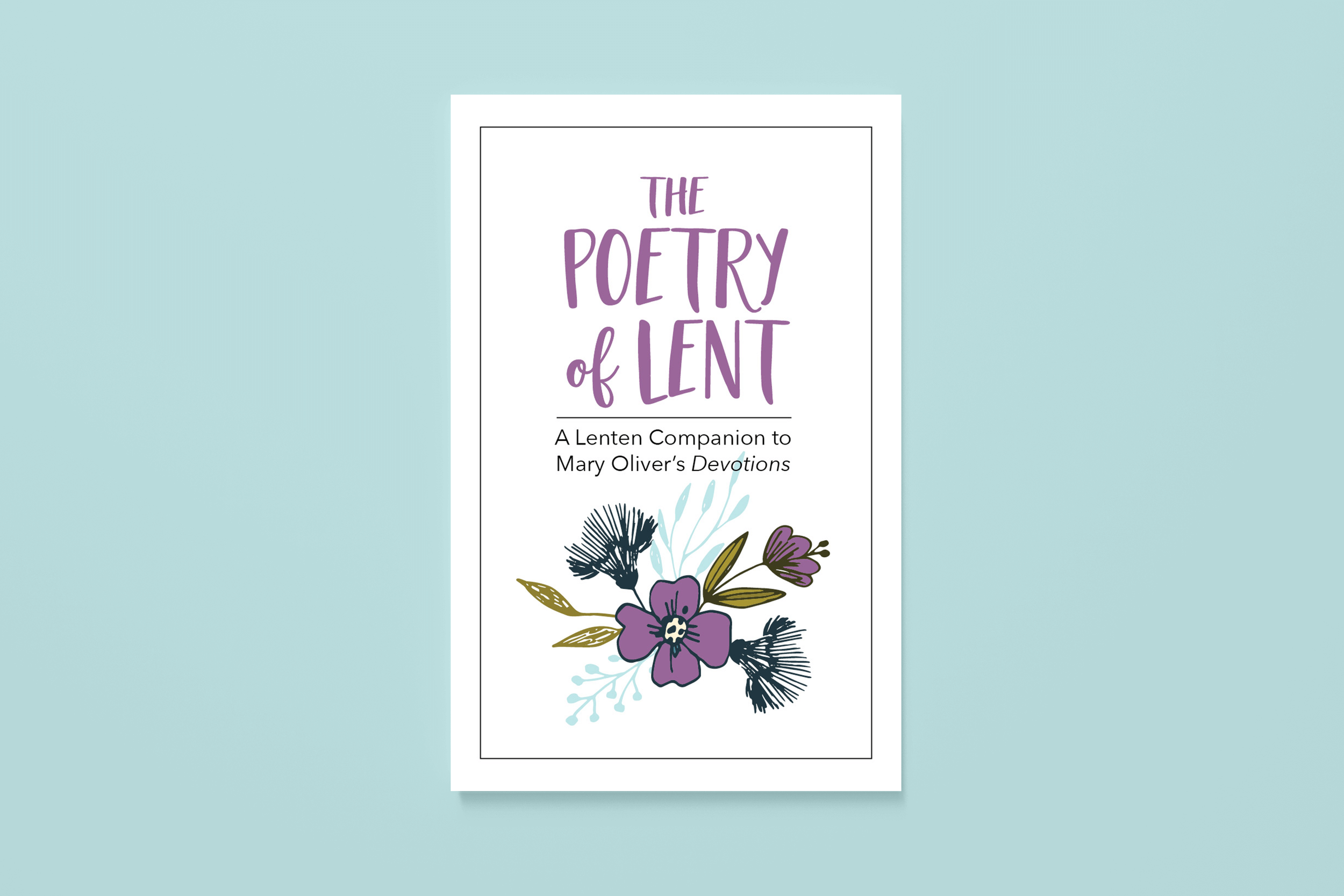
The Poetry of Lent: A Lenten Companion to Mary Oliver's "Devotions"
Every journey needs a guide - and what better guide to the 40 days of Lent than the beloved poet, Mary Oliver?
Winner of both the Pulitzer Prize and the National Book Award, Oliver is widely celebrated as an accessible, insightful observer of the natural world, the life of faith, and the interplay between the two. Imagine a six-week journey with Oliver at your side, illuminating ancient passages of scripture; provoking bite-sized meditations on key Lenten themes; and pointing toward everyday practices for individuals and families. All you need is this devotional, a Bible, and a copy of Oliver’s wonderful collection, Devotions (the poems can also be found online).
As always, this resource can stand alone, or it can be used in tandem with SALT’s suite of hand-illustrated clip art for Lent (for bulletins or screens), and/or with SALT’s Customizable Short Film The Poetry of Lent. Use these resources together for a winsome, seamlessly integrated approach to the Lenten season.
The scriptural passages in this devotional correspond to Year B in the Revised Common Lectionary - but since their themes are universal, this devotional can be used fruitfully during any Lenten season.
Files: This listing is for a downloadable PDF, printing instructions, and also an e-reader version of the devotional. Please note: you will not receive a physical product as this is a digital download.
This resource is for personal use only, which means it may not be reproduced, duplicated, or resold. :)